Most people say 好きです (suki desu): “I like you” and “I love you” in one. 愛してる (aishiteru) is the heavy “I love you,” rarely said out loud.
- 好きです。すき です。
I like you. / I love you.
Japanese has three words where English has one, and they differ in weight:
| Most used | 好きですsuki desu · “I like you / I love you.” What most people say, even to confess. |
|---|---|
| Stronger | 大好きdaisuki · “I really like it / you.” Food, things, people; rarely a confession. |
| Heaviest | 愛してるaishiteru · “I love you,” with full weight. Many people rarely say it out loud. |
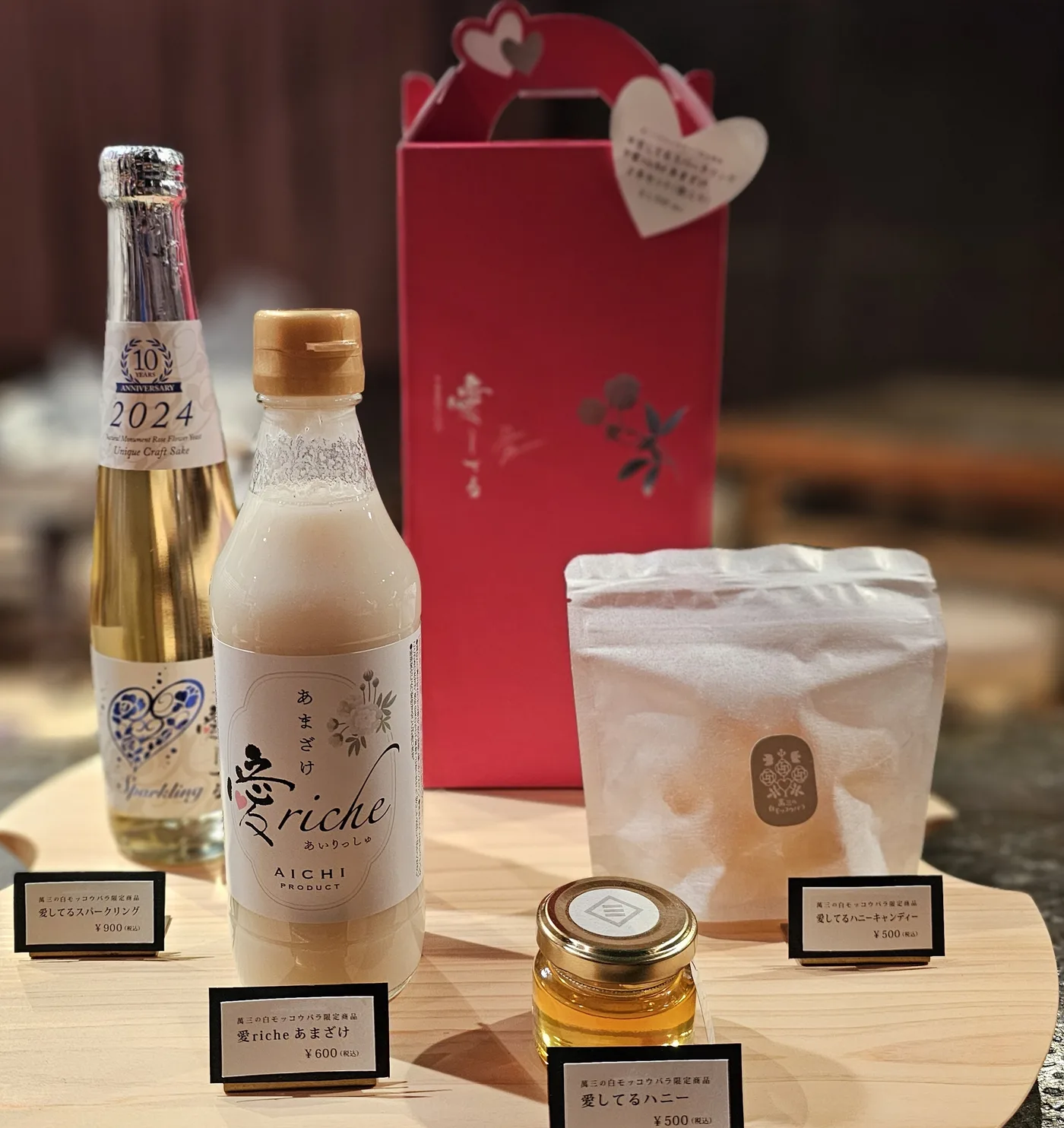
好き (suki): like, and love
The word you'll use most.
- 好きです。すき です。
I like you. / I love you.
- 好きだよ。すき だよ。
I like you. / I love you. (casual)
好き (すき) means both “like” and “love,” so it depends on how you say it. Said casually, it can sound like plain “like”; said with feeling, it's a confession. SoraNews24 calls 好きです (or the more masculine 好きだ, suki da) “the most popular choice for a confession of love,” and couples keep using it after they're together.
It isn't only romantic. You can use it for friends, for a favorite actor or singer, and for food. Nobody hears this as romance:
- ラーメンが
好きです。ラーメン が すき です。 I like ramen.
大好き (daisuki): like a lot
Stronger, but lighter than it looks.
- 大好き。だいすき。
I really like it. / I love it.
大 (だい, dai) means “big,” so 大好き is “like very much.” The Daijisen dictionary's examples are sweets and science fiction. It's stronger than 好き, but according to SoraNews24 it isn't used that often to confess. It's everywhere for things you love, like this bento menu card from a baseball game at Tokyo Dome:
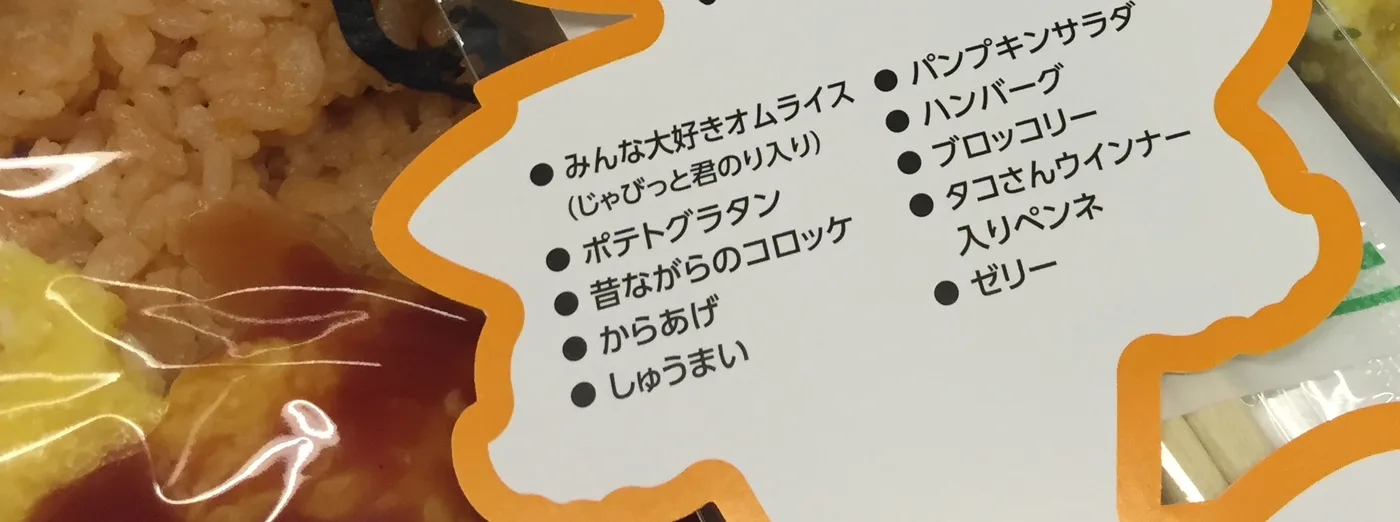
- みんな
大好きオムライスみんな だいすき オムライス Omurice, everyone's favorite
愛してる (aishiteru): I love you
The heavy one.
- 愛してる。あいしてる。
I love you.
愛してる comes from 愛する (あいする, ai suru), “to love.” 愛 (ai) is also love for family and for all people, and SoraNews24 calls it “a serious, committed feeling.” Said to a partner, it fits a relationship that's meant to last; said too early, it can feel like too much.
Many people rarely say it. In a 2025 survey of 4,700 married people by Gibraltar Life, a Japanese insurer, almost half (47.1%) had told their spouse or partner no words of love at all that year: not 愛してる, and not 好き either. Why not 愛してる? In a survey of 165 single men in their teens and twenties, reported by SoraNews24, the reasons included not wanting to use it lightly, being too shy, and 好きだ simply feeling more natural.
Heard it in anime or a song? Stories use it more freely than real life does. Men in the same survey said characters in books and on TV say 愛してる in a way real people aren't comfortable with outside a drama, and that 好きだ suits them better.
You may also meet 恋 (こい, koi), romantic love, as in 恋人 (こいびと, koibito), boyfriend or girlfriend. It's a word for talking about love, not for saying “I love you.”
Confessing
Telling someone you like them and asking them out.
Telling someone your feelings is 告白 (こくはく, kokuhaku). In a survey of 156 women in their 20s and 30s by Zexy, a Japanese wedding and dating magazine, the confessions they were happiest to hear were simple and direct, like these:
- 好きです。
付き合ってください。すき です。 つきあって ください。 I like you. Will you go out with me?
- あなたの
ことが 好きです。あなた の こと が すき です。 I have feelings for you.
- ずっと
好きでした。ずっと すき でした。 I've liked you for a long time.
付き合ってください (tsukiatte kudasai) asks “will you go out with me?”: 付き合う means to go out with someone.
Saying it back
When someone confesses to you.
Yes: a Japanese men's lifestyle site (Smartlog) suggests a simple yes, or telling them you felt the same:
- こちらこそ、
よろしく お願いします。こちらこそ、 よろしく おねがい します。 Yes, I'd like that too.
- 私も
好きでした。わたし も すき でした。 I liked you too.
Not sure yet: a Japanese women's magazine (Oggi) suggests first thanking them for telling you, and asking for time if you can't decide:
- 告白してくれて
ありがとう。こくはく して くれて ありがとう。 Thank you for telling me.
- 少しだけ
考えさせてほしい。すこし だけ かんがえさせて ほしい。 Please give me a little time to think.
No: the same lifestyle site suggests saying it plainly:
- ごめんなさい、
お付き合いできません。ごめんなさい、 おつきあい できません。 I'm sorry, I can't go out with you.
Which one to use
| Say | When / who |
|---|---|
| 好きsuki | Things, food and people you like; the usual way to confessJMdict: “liking; being fond of” and “liking (romantically); being in love with” |
| 大好きdaisuki | Things and people you like a lotDaijisen dictionary: “liking very much” |
| 愛してるaishiteru | A partner, once the relationship is seriousDaijisen dictionary: 愛する: “to love” (a particular person) |
| 好きです。 | Confessing and asking someone outJMdict: 付き合う: “to go out with; to go steady with” |
| こちらこそ、 | Saying yesJMdict: こちらこそ: “it is I who should say so” |
| ごめんなさい、 | Saying noJMdict: ごめんなさい: “I'm sorry” |
Word by word
好き
すき · suki
like, love
愛してる
あいしてる · aishiteru
I love you
Watch it in a scene
Mameta says 好き, then 大好き, then 愛してる to a stick of dango, and Okon can't believe it.
More everyday Japanese
Sources: the three words and how they're used from SoraNews24 (February 14, 2020); reasons for not saying 愛してる from SoraNews24 (May 9, 2014), reporting a survey by the dating site Sugoren; words of love to a spouse from Gibraltar Life, 家族愛に