さようなら means “goodbye” or “farewell.” But in daily life, people in Japan rarely say it.
- さようなら。さようなら。
Goodbye.
It reads さようなら (sayōnara). It sounds heavy: it's mainly for a goodbye that may be forever, or at least when you may never meet again. It isn't taboo or old-fashioned; it's kept for special partings.
Between friends, the everyday goodbye is じゃあね (jā ne) or またね (mata ne). Coworkers have their own phrases, below.
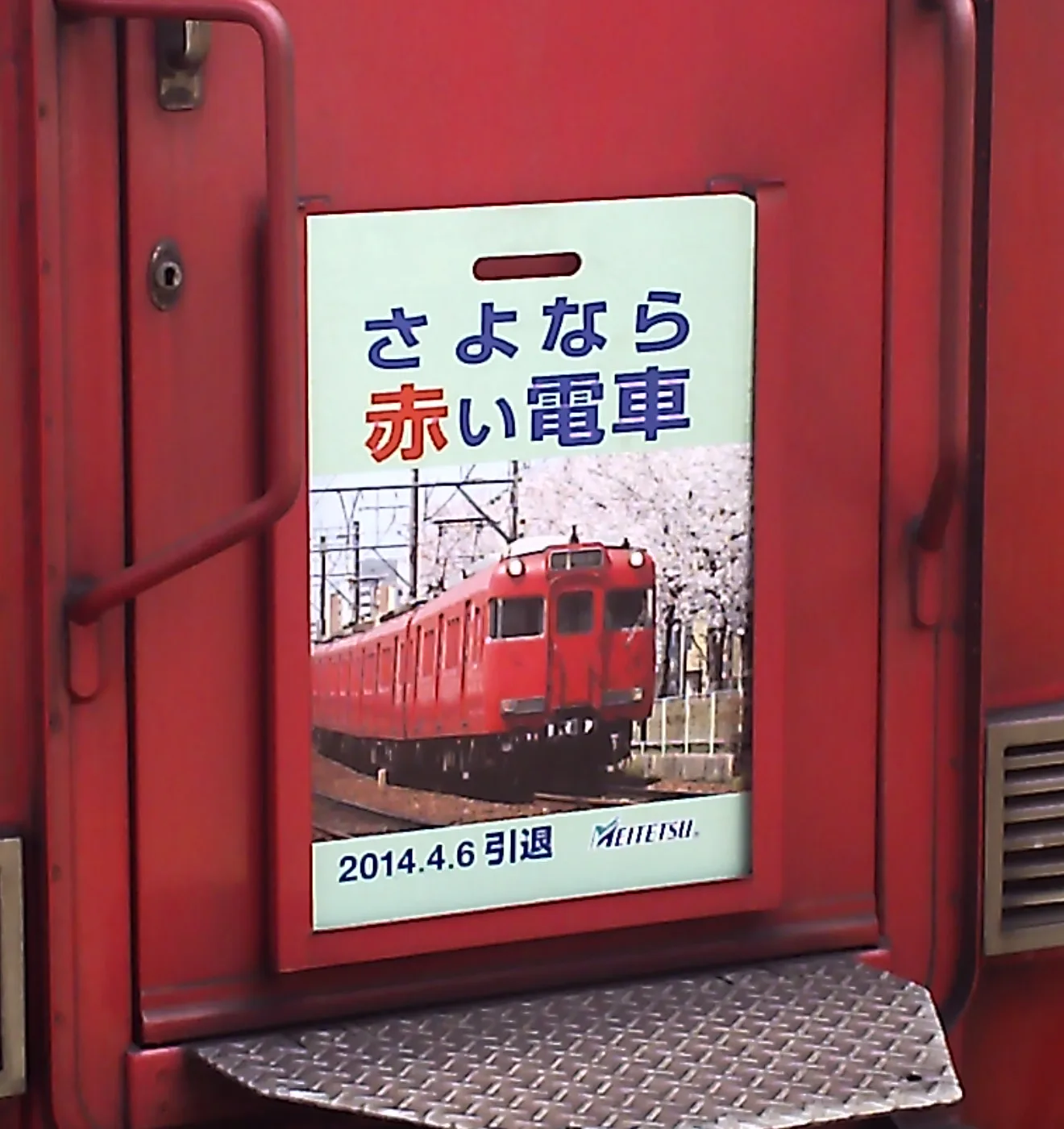
さよなら is a shorter form of さようなら. Dictionaries also give it the meaning “farewell (performance, party, etc.); final; last,” as on this sign.
- さよならさよなら
Farewell (as on the sign).
Where you still hear it
At school, and at partings that may be final.
- 先生、
さようなら。せんせい、 さようなら。 Goodbye, teacher. (students, at the end of the school day)
Children and teenagers say it to their teachers at the end of the school day. Adults say it at partings like a graduation where everyone goes their own way, or a coworker's farewell party before a permanent move abroad, not when leaving the office on Friday.
With friends
These are what you'll hear far more often.
- じゃあね。じゃあ ね。
See you. / Bye.
- またね。また ね。
See you later.
- じゃあ、
またね。じゃあ、 また ね。 Well then, see you.
- また
明日。また あした。 See you tomorrow.
- バイバイ。バイバイ。
Bye-bye.
じゃあ (jā) is short for それじゃ (sore ja): “in that case,” “well then.” On its own it can sound a little curt, so people add ね (ne) to make it friendlier. Men also say じゃあな (jā na). また (mata) means “again.”
Dictionaries mark じゃあね as familiar language and バイバイ as colloquial: words for people you're close to.
A little more polite
For people you don't know well, and on the phone.
- では、
また。では、 また。 Well then, see you.
- 失礼します。しつれい します。
Excuse me. (when you hang up the phone or leave)
では (dewa) means the same as じゃあ, but is more formal. 失礼します (shitsurei shimasu) is said when you end a phone call or leave work. Dictionaries translate it “excuse me; pardon me.”
At work
What coworkers say when they go home.
- お疲れ様です。おつかれさま です。
Thanks for your hard work. (to coworkers when going home)
- お先に
失礼します。おさき に しつれい します。 Excuse me for leaving before you. (when others are still working)
お疲れ様です (otsukaresama desu) is “thanks for your hard work”: coworkers say it to each other when going home. If others are still working when you leave, say お先に失礼します (osaki ni shitsurei shimasu).
Leaving a shop, restaurant or hotel
What you say, and what you'll hear.
At a restaurant, it's polite to say ごちそうさまでした (gochisōsama deshita), “thank you for the meal,” when you leave.
- ごちそうさまでした。ごちそうさま でした。
Thank you for the meal. (you, when leaving or paying)
In shops, the staff say “thank you” as you leave:
- ありがとう
ございます。ありがとう ございます。 Thank you. (the staff, as you leave)
At a traditional inn (ryokan), the staff see you off at the entrance: they thank you, say they hope you'll come again, and bow and wave as you go. お世話になりました (osewa ni narimashita) thanks someone for looking after you; dictionaries note it's often used to express gratitude.
- お世話に
なりました。おせわ に なりました。 Thank you for looking after me.
Which one to use
| Say | Who / when |
|---|---|
| さようならsayōnara | A parting that may be for a long time or for good. Students to teachers.JMdict: “farewell; goodbye” |
| じゃあねjā ne | FriendsJMdict: casual, for people you're close to (familiar language) |
| またねmata ne | FriendsJMdict: “bye; see you later” |
| また | Someone you'll see tomorrowJMdict: “see you tomorrow” |
| バイバイbaibai | FriendsJMdict: casual (colloquial) |
| では、 | A little more politeJMdict: “see you later; goodbye” |
| 失礼しますshitsurei shimasu | Hanging up the phone, leaving workJMdict: “excuse me,” polite |
| お疲れ様ですotsukaresama desu | Coworkers going homeJMdict: “thank you (for your hard work)”; also “see you; goodbye” |
| お先に | Leaving work while others stayJMdict: “pardon me for leaving (first)” |
| ごちそうさまでしたgochisōsama deshita | Leaving a restaurantJMdict: “thank you for the meal,” polite |
| お世話に | Thanking someone who looked after youJMdict: “to be looked after,” often used to express gratitude |
Word by word
さようなら
さようなら · sayōnara
goodbye, farewell
明日
あした · ashita
tomorrow
お疲れ様
おつかれさま · otsukaresama
thanks for your hard work
疲 means tired, and 様 is a polite ending.
Stroke order and more words:
Before your trip
Sources: when people say each phrase, from SoraNews24 (November 11, 2026) and, for 失礼します and バイバイ, SoraNews24 (May 18, 2016). Leaving a restaurant: japan-guide.com; shops: SoraNews24 (October 6, 2016); inns: Japan Ryokan Association and japan-guide.com. Readings, meanings and dictionary labels from JMdict and KANJIDIC (via jisho.org). Photo from Wikimedia Commons; credit under the photo.